
Toward equity: Power, cultural hegemony, and organizations

Behind Action Research for Transformations (ART) and the Action Research Journal’s seven quality choice points nestle both a plea and demand for equity. If equity is about resources made accessible to or concretely claimed by structurally marginalized group—so they may achieve outcomes akin to privileged groups which get such resources as a matter of course—three […]
Read More...School-community partnership Lesley Wood & Mary McAteer
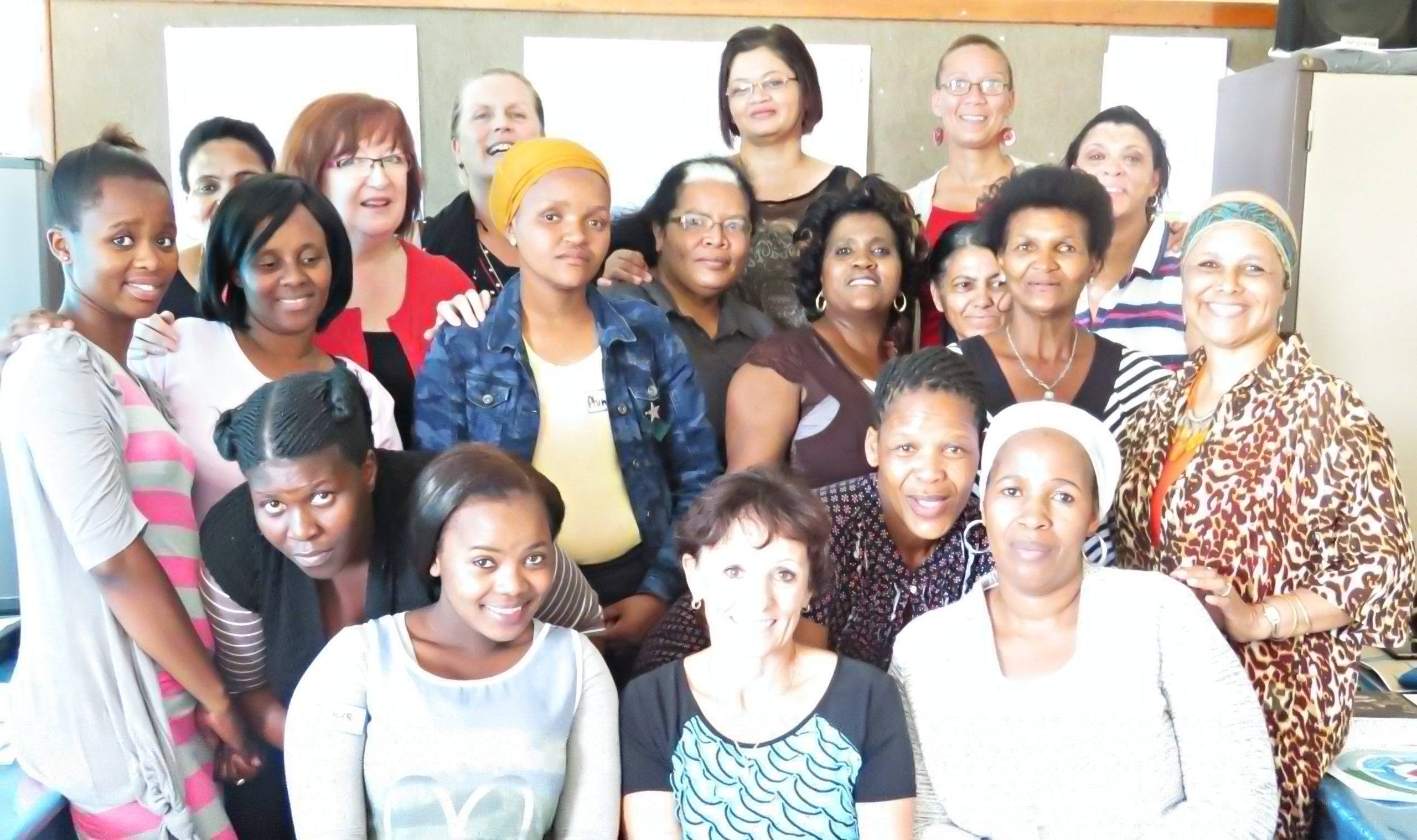
Despite the end of Apartheid in South Africa in 1990, and the formation of a democratic government in 1984, the legacy is still evident. Many black communities suffer socio-economic disadvantage, and often lack access to good-quality schooling. This project, funded by the British Academy Newton Fellowship and The National Research Foundation, was undertaken by Prof Lesley […]
Read More...Terah J. Stewart shows research does not have to be impersonal

In ARJ article “I don’t feel studied” – now open without pay wall – action researcher Terah J. Stewart shows that research does not have to be alienating or impersonal. In fact, it can be a healing and humanizing process for the people and communities centered in action research efforts. Terah explains his ART with […]
Read More...Action Beyond Division By Joseph Martin Stevenson
AR+ friend Joseph Martin Stevenson of Madison, Mississippi finds that when it comes to race, most people do not know what they do not know. He asks us to consider how everyday symbols – from math! – can help empower, enlighten, and engage us on our journey with racial justice. I appreciate his alchemical suggestion […]
Read More...Jewish-Arab/Palestinian dialogue. Yael Skorkowich et al.

In designing the dialogue program, the leaders (faculty and students) considered one main dilemma: Should the dialogue openly grapple with political discussions of the Israeli-Palestinian conflict or not? The article seeks to reveal the patterns of the power relationship between the initiators/facilitators of the program, who were female students (one Arab and one Jewish, both […]
Read More...